

Medium Light

VARIABLE CONDITIONS | SPRING & AUTUMN


The weather doesn't choose sides. These lenses do.

You're shopping in the right place if...

Your shooting season runs primarily through autumn and early winter October pheasant, November duck flighting, sporting clays through the rest of the year. The skies are frequently overcast but not dark; there's light in the air, but it's flat and directionless. Shadows are soft, backgrounds blend into grey-white cloud, and orange or black clays are harder to pick up early enough to read their line.


Standard sunglasses are too dark on a day like this; nothing at all leaves your eye working too hard against flat light. You need something in between; something that actively improves what you see rather than simply protecting it.


Medium Sun lenses cover the visual conditions that define the majority of the British sporting calendar. Designed to filter selectively rather than simply darken, they boost contrast and target definition without reducing transmission to the point of dimming your view on overcast days. These lenses make the world brighter and crisper precisely when the weather is doing its best to flatten it.

Medium sun or light conditions typically mean:


  • Overcast and partly cloudy spring, autumn and winter days
  • Targets against grey or white sky
  • Variable cloud cover across the course of a morning
  • Driven game days where light levels shift peg to peg throughout the drive
  • Any conditions you'd describe as "bright but not sunny" diffuse light with no defined sun position
  • Spring shooting where early-season weather mixes clear patches with cloud banks
  • Morning shoots before the light fully establishes, even on days that will clear later.


If autumn and spring define your season  or if you shoot year-round in the UK,  Medium Sun is almost certainly your primary lens category.


Two lenses. Both excellent. One important difference

About MEDIUM SUN

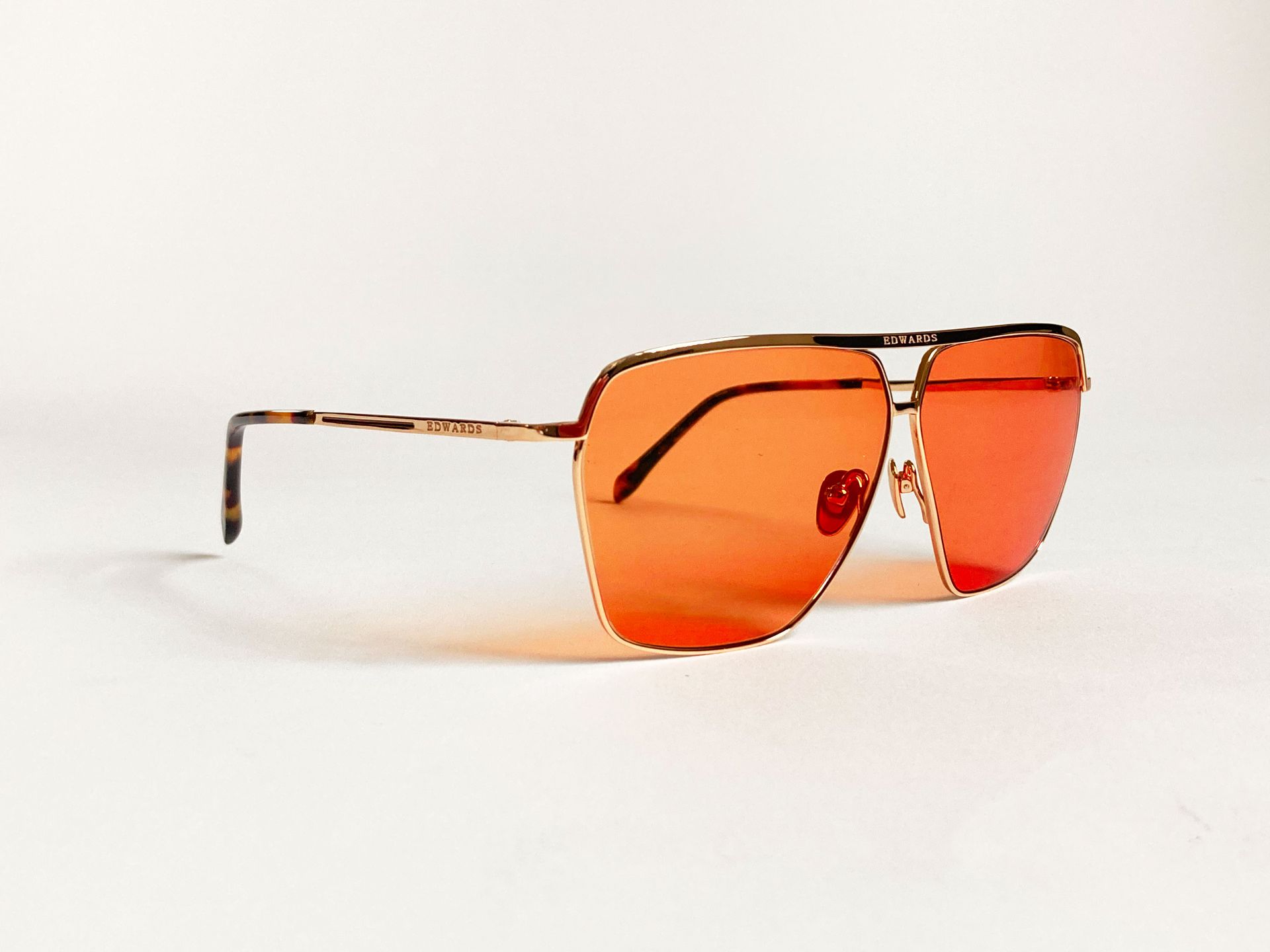
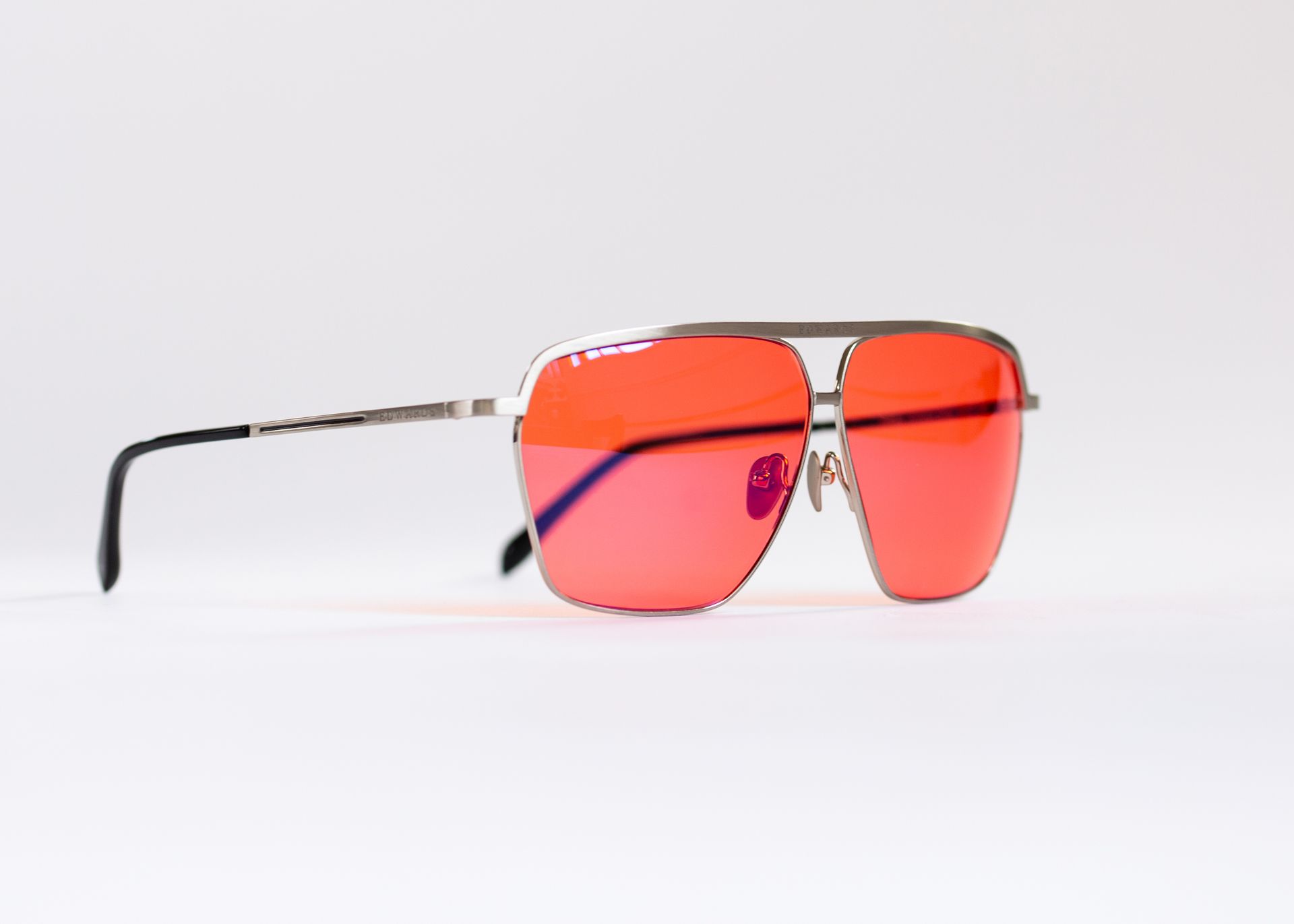
The Saffron and Fuchsia share the same red-orange base formula and the same mission: making targets unmissable in flat, overcast conditions. The difference comes down to light transmission and the intensity of the contrast effect.

Saffron

The Contrast Specialist

Light Transmission: 50%


Saffron is a red-orange lens built around a single mission: making targets visible in conditions where the environment conspires against you. It blocks blue light — the wavelength responsible for washing out overcast environments and reducing the perceived definition of orange and red targets — and replaces it with a warmer, higher-contrast picture in which red, pink and orange targets are significantly more vivid.


The practical effect is immediate. On a flat overcast day when an orange clay would ordinarily blend into a grey sky background, Saffron brings it forward. On a woodland flush where a pheasant lifts against a mixed-colour backdrop, Saffron's depth-perception optimisation helps you read the target earlier and more accurately. At 50% light transmission, it is a genuine medium-light lens  enough filtration to manage variable brightness without dimming your view when conditions are already grey.


Saffron is considered by many professional coaches including those at Edwards Eyewear to be the single most versatile lens choice for UK clay and game shooting throughout autumn and winter.


Best for: Shooters who prioritise maximum target contrast. Clay shooting in overcast conditions; driven game through variable light; anyone who regularly loses targets against grey sky or green background due to poor contrast.

Fuchsia

Saffron's Gentler, Brighter Sibling

Light Transmission: 60%


Fuchsia begins where Saffron ends. We took our bestselling contrast lens, increased light transmission to 60% and added a softer rose tone — creating a lens that delivers the same core contrast enhancement with a noticeably more comfortable wearing experience.


The result works slightly better where Saffron might feel marginally heavy: brighter overcast days with some ambient diffuse glare, changeable spring light, or early autumn days that haven't committed to full winter dullness yet. Fuchsia is also the preferred choice for shooters with sensitive eyes or those who find high-contrast lenses visually fatiguing over a long day.


If you've tried red or orange-based shooting lenses before and found them "a bit much"  Fuchsia is the version that was built for you.


Best for: Shooters with sensitive eyes; brighter overcast conditions; variable spring and early autumn light; anyone who wants the contrast benefit of Saffron without the full intensity of a 50% transmission lens.

Hiroki Medium Light FAQs

  • What colour lens is best for clay shooting on overcast days?

    For overcast and variable-light conditions, Edwards Eyewear recommends the Hiroki 2 in Saffron or Fuchsia. Both use a red-orange base to block blue light, boost contrast and make orange or black clay targets stand out against grey sky backgrounds. Saffron (50% light transmission) delivers maximum contrast; Fuchsia (60% transmission) provides the same benefit with a softer, more comfortable wearing experience for sensitive eyes.

  • What shooting glasses are best for autumn and winter game shooting in the UK?

    The most popular Hiroki 2 lenses for UK autumn and winter shooting are Saffron and Fuchsia — both in the Medium Sun / Overcast & Autumn category. 


    These lenses are specifically designed for the flat, diffuse light of British overcast days, where standard sunglasses are too dark and unprotected eyes strain against low-contrast backgrounds. Saffron (50% transmission) suits shooters who want the highest contrast; Fuchsia (60%) suits those with sensitive eyes or slightly brighter overcast conditions.

  • What is the difference between Saffron and Fuchsia shooting lenses?

    Both Saffron and Fuchsia are red-orange contrast lenses designed for overcast and medium-light shooting conditions. Saffron has 50% light transmission and delivers the strongest contrast enhancement — it is the definitive choice for flat, grey days. Fuchsia has 60% transmission and an additional rose tone, making it slightly brighter and more restful for sensitive eyes. If you find standard contrast lenses intense, choose Fuchsia. If you want maximum target visibility on dull days, choose Saffron.

  • Should I wear shooting glasses on a cloudy day?

    Yes — and potentially more importantly than on a sunny day. On overcast days, diffuse blue light washes out backgrounds and reduces target definition, making orange and black clays harder to pick up. A contrast-enhancing lens such as Saffron or Fuchsia actively improves what you see in these conditions, rather than simply protecting the eye. Many shooters report the biggest visual improvement from their Hiroki 2 on overcast rather than sunny days.

The lens the majority of UK shooters reach for, most of the time.

Medium Light covers most of the British shooting calendar  and the Hiroki 2 frame carries these lenses with a precision and comfort that purely functional shooting eyewear cannot match.


Available in Black, Antique Silver and Gold titanium frames. Prescription available on request.