

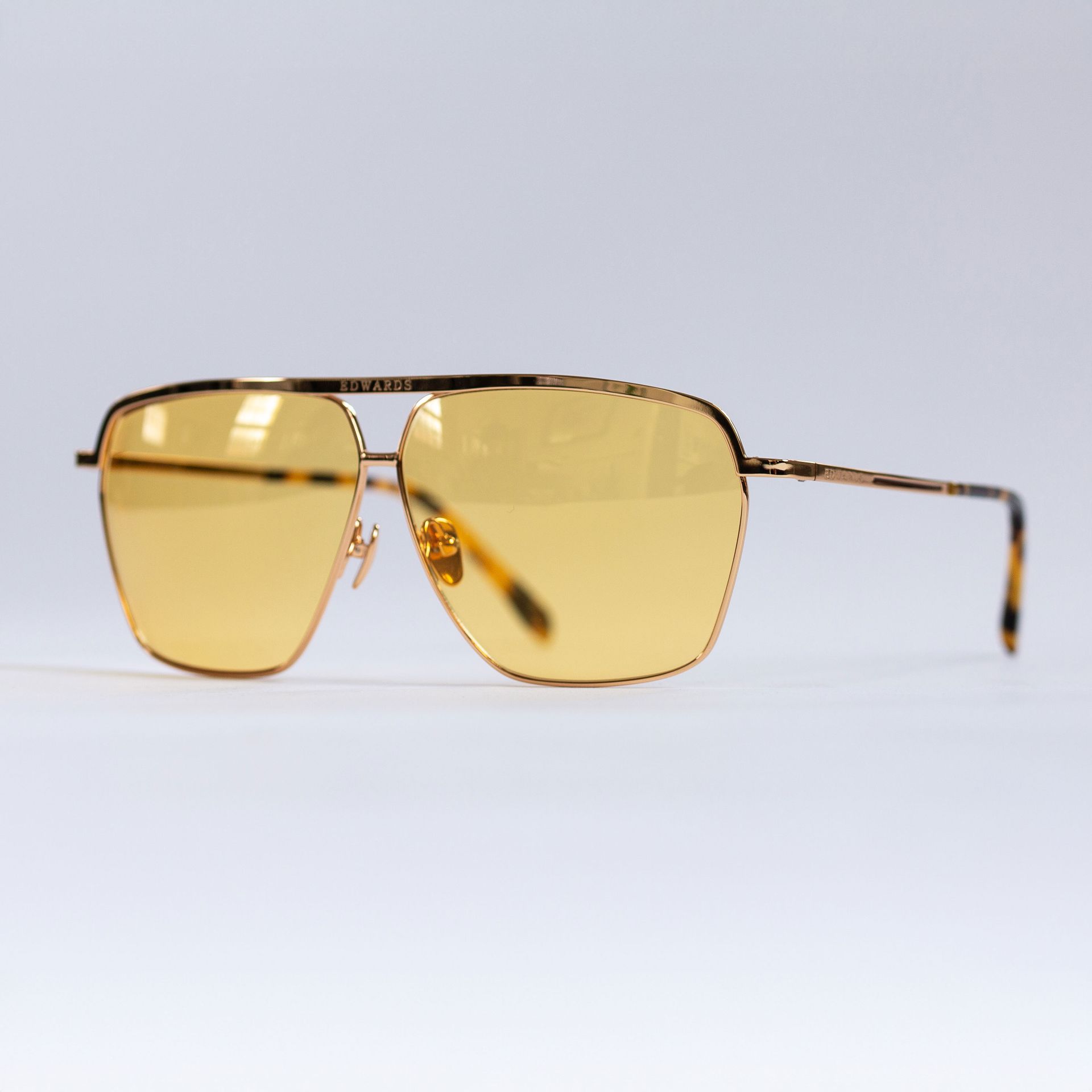
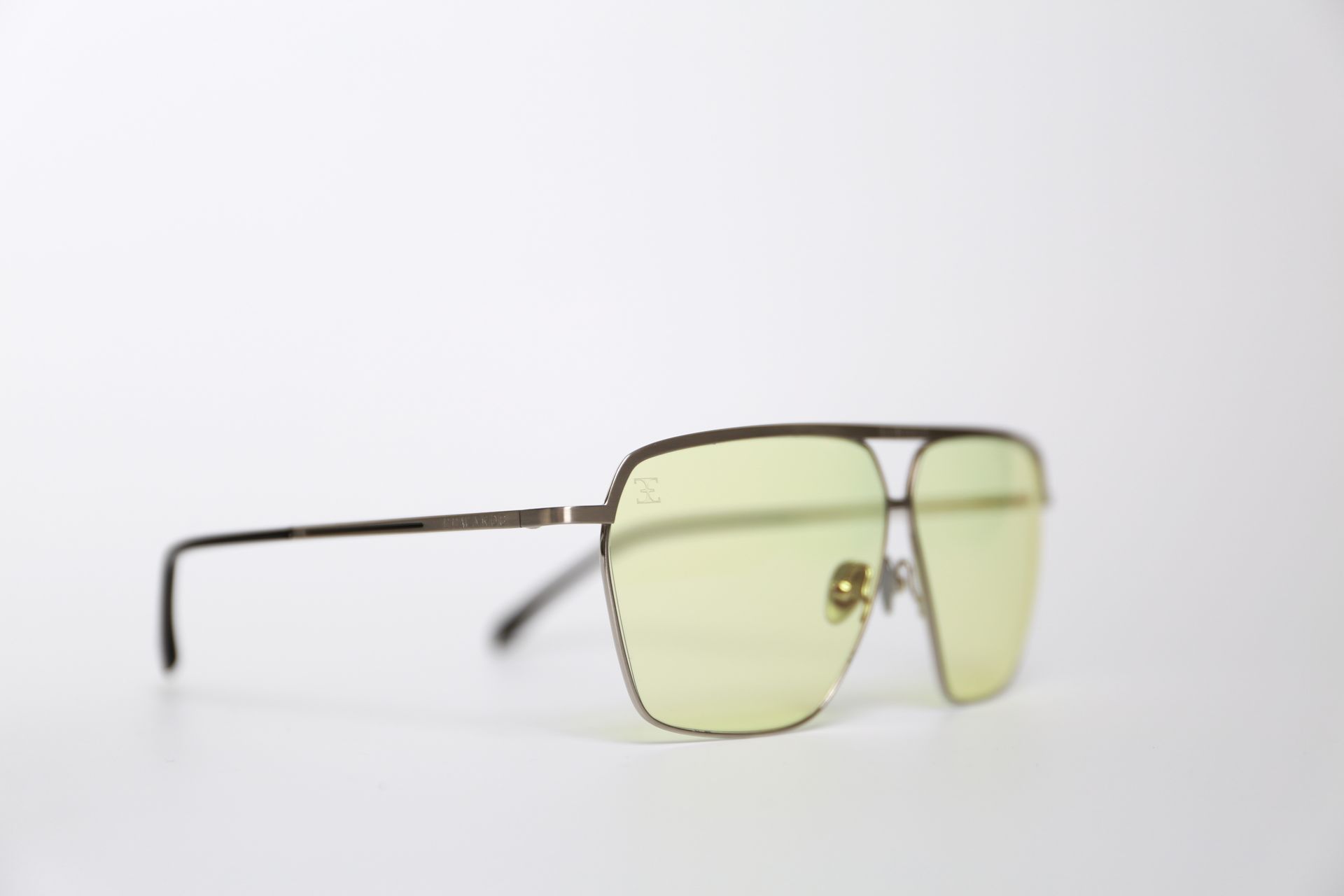
Low Light

CLOUDY & LOW CONTRAST | WINTER


When the light gives up, these lenses take over.

You're shopping in the right place if...

You shoot in December and January. You're on a peg at 8:30am on a grey, leaden morning where the light feels barely sufficient to find the birds, let alone swing through them. You shoot clay grounds beneath mature woodland — dappled, shadowed and nearly devoid of contrast. You pursue driven pheasant late in the season when days are short, skies are flat, and targets lift against backgrounds that offer almost nothing to distinguish them from the air.


Or perhaps your challenge is simpler: the day started fine, cloud rolled in, and now everything looks washed out — including the targets.


Low Light lenses are built specifically for conditions where the eye needs assistance rather than protection. Instead of filtering light down, they optimise the light that's available — maintaining ultra-high transmission, removing the specific wavelengths that create blur and haze in flat conditions, and improving edge definition on targets that might otherwise be functionally invisible against dull sky or dark treeline.

Low Light conditions typically include:


  • Dull winter days in December, January and February
  • Early morning game shooting — dawn flighting, morning driven days before the light establishes
  • Heavy and unbroken cloud cover at any time of year
  • Shooting beneath tree canopies and in valley venues with restricted sky
  • Late afternoon and dusk shooting as the season closes out
  • Rapidly deteriorating conditions where the day started in Medium Sun and the weather moved 


If shooting late in the season or in genuinely poor light is a meaningful part of your year, you should own at least one Low Light lens.


Two lenses. Same category. Different levels of contrast.

About LOW LIGHT

The Cadmium and Laguna are both Low Light lenses, but they sit at different points on the transmission spectrum. Cadmium bridges the gap between medium and truly dark conditions; Laguna is the full ultra-low-light specialist.

Cadmium

The Transitional Low-Light Lens

Light Transmission: 80%


Cadmium was designed to answer a specific problem: the day that can't make its mind up. British winter shooting regularly delivers conditions that are too dull for a Medium Sun lens but not quite dark enough to justify pure ultra-low-light optics — heavy but bright cloud, fluctuating breaks in cover, that hour in the late morning where the light is neither here nor there.


At 80% light transmission, Cadmium sits precisely in that gap. It provides meaningful glare protection against diffuse, reflected glare from cloud cover — a problem shooters frequently overlook because there's no obvious sun to blame, yet one that causes genuine visual fatigue across a long day. Simultaneously, it maintains the high transmission needed for a bright, clear picture when light levels are already approaching the lower boundary.


Best for: Variable winter conditions with fluctuating cloud; conditions that are overcast but not genuinely dark; late-season driven days where light shifts across the morning; shooters who find 90% transmission occasionally too bright on broken-cloud days.

Laguna

The Ultra-Low-Light Specialist

Light Transmission: 90%


Laguna is the Hiroki 2's answer to the darkest days on the shooting calendar. At 90% light transmission, among the highest of any purpose-built shooting lens, it gives your eye every photon the environment offers while simultaneously doing two things standard yellow lenses typically cannot: eliminating glare and providing a genuinely comfortable wearing experience across a long day.


The comparison to standard yellow lenses matters. Conventional high-transmission yellow tints can feel visually clinical or harsh replacing flat-light fatigue with a different kind of fatigue. Laguna's formula is specifically tuned to be restful: it removes the visual noise of diffuse flat light without replacing it with an aggressive tint effect. The result is crisp definition on target edges, improved contrast against dull sky and dark treeline, and a lens you can wear through an entire day's shooting without reaching for something else at lunch.


On the dullest winter days; January fog, February overcast, any day where you'd ordinarily not bother with eyewear at all Laguna is what you should be wearing..


Best for: The darkest winter days; dawn flights; indoor ranges; heavily overcast conditions. The definitive low-light shooting lens for those who take seriously the impact that visual conditions have on their performance.

Hiroki Low Light FAQs

  • What colour lens is best for shooting in low light or overcast winter conditions?

    : For dull winter days and genuinely low-light conditions, Edwards Eyewear recommends the Hiroki 2 in Laguna (90% light transmission) or Cadmium (80% light transmission). Both lenses maximise the light available to the eye while improving contrast and target definition in flat, grey conditions. Laguna is the specialist ultra-low-light choice; Cadmium suits variable or transitional days where conditions are dull but not truly dark.

  • : What are the best shooting glasses for early morning game shooting?

    For early morning game and dawn flighting, a high-transmission low-light lens is essential. The Hiroki 2 Laguna (90% transmission) is specifically designed for these conditions — it maximises available light, improves edge definition on targets against dark backgrounds, and is more comfortable over long periods than conventional yellow lenses.

  • : What is the difference between Cadmium and Laguna shooting lenses?

    Both Cadmium and Laguna are Low Light Hiroki 2 lenses. Cadmium has 80% light transmission and is designed for transitional and variable dull conditions — days that are too dark for a Medium Sun lens but not the darkest conditions you'll encounter. Laguna has 90% transmission and is the definitive ultra-low-light specialist, built for the darkest winter days, dawn flights, and indoor clay ranges where every photon of available light matters.

  • Should I wear shooting glasses on a very dull day or in poor light?

    : Yes — in low-light conditions, purpose-built high-transmission lenses actively improve visual performance rather than simply protecting the eye. A lens such as the Hiroki 2 Laguna removes the specific wavelengths responsible for blur and haze in flat light, improving target edge definition and contrast without reducing brightness. Many shooters report the most dramatic improvement from Low Light lenses because they hadn't previously realised how much flat-light conditions were costing them in target acquisition.

The worst light. The best visibility.

Low light doesn't have to mean low performance. The Hiroki 2 in Cadmium or Laguna gives you a visual advantage precisely when the environment is working hardest against you and that's when margins matter most. Available in Black, Antique Silver and Gold titanium frames. Prescription available on request.